
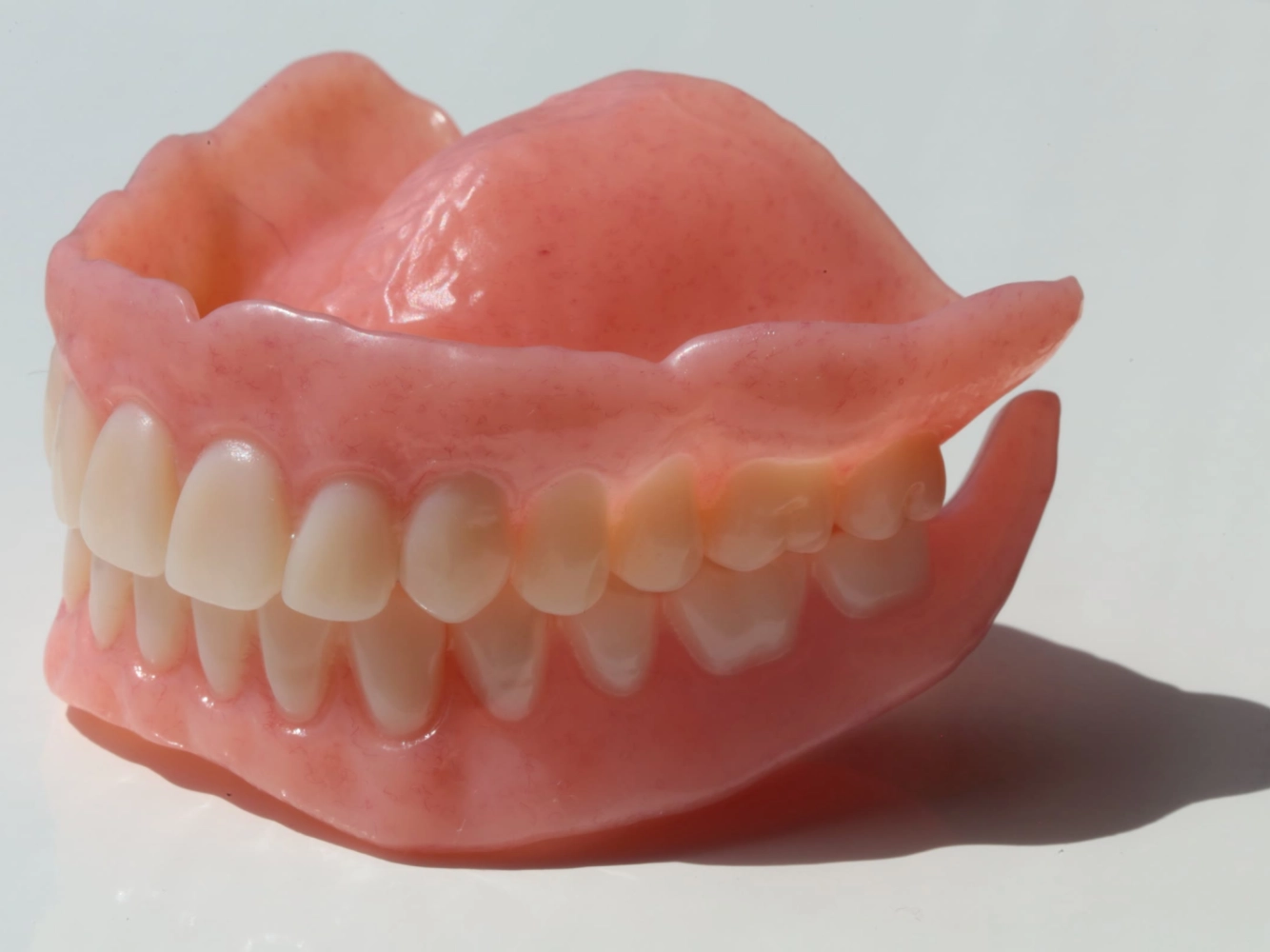
Complete Dentures Designed Around You
Complete dentures replace all of the natural teeth in the upper jaw, lower jaw or both. While their purpose is to restore missing teeth, a well-designed denture must consider much more than appearance. Fit, bite, facial support, speech, comfort and function all play an important role in creating a denture that works for you.
At Atrium Denture Clinic, Michael Watson DD brings 26 years of denture experience together with an artistic eye and attention to detail. Tooth size, shape, shade and arrangement can be customized, and patients are encouraged to provide feedback during the process to help achieve a natural appearance that reflects their individual preferences.
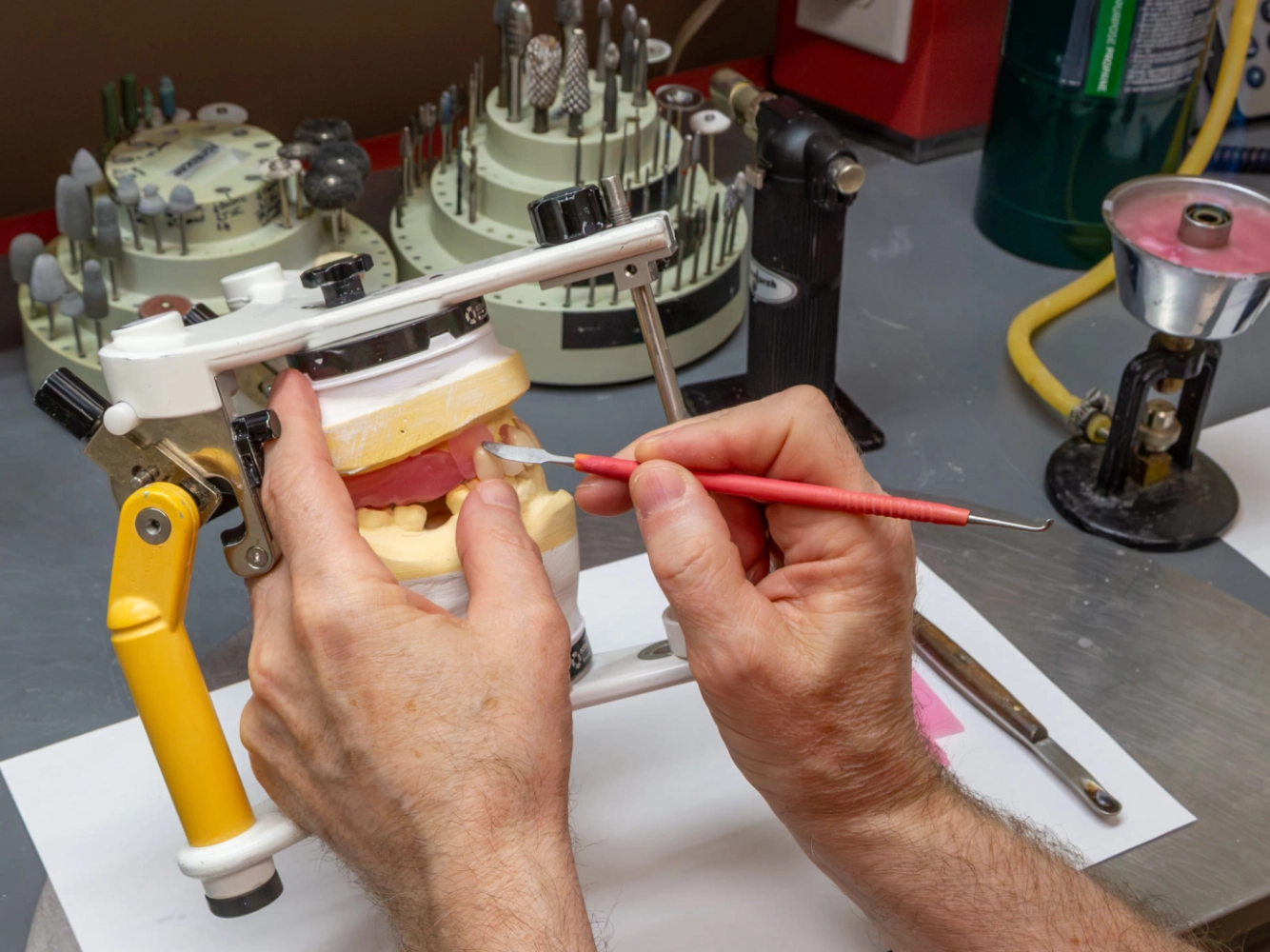
Experience, Craftsmanship & Modern Technology
No single fabrication method is appropriate for every patient. Atrium combines proven hand-fabricated denture techniques with modern digital scanning and fabrication methods where appropriate, allowing the treatment approach to be selected according to your individual circumstances.
Throughout treatment, we take the time to listen to your concerns, explain what to expect and involve you in decisions about your new smile. Our goal is to create a denture that balances appearance with the practical requirements of everyday function.
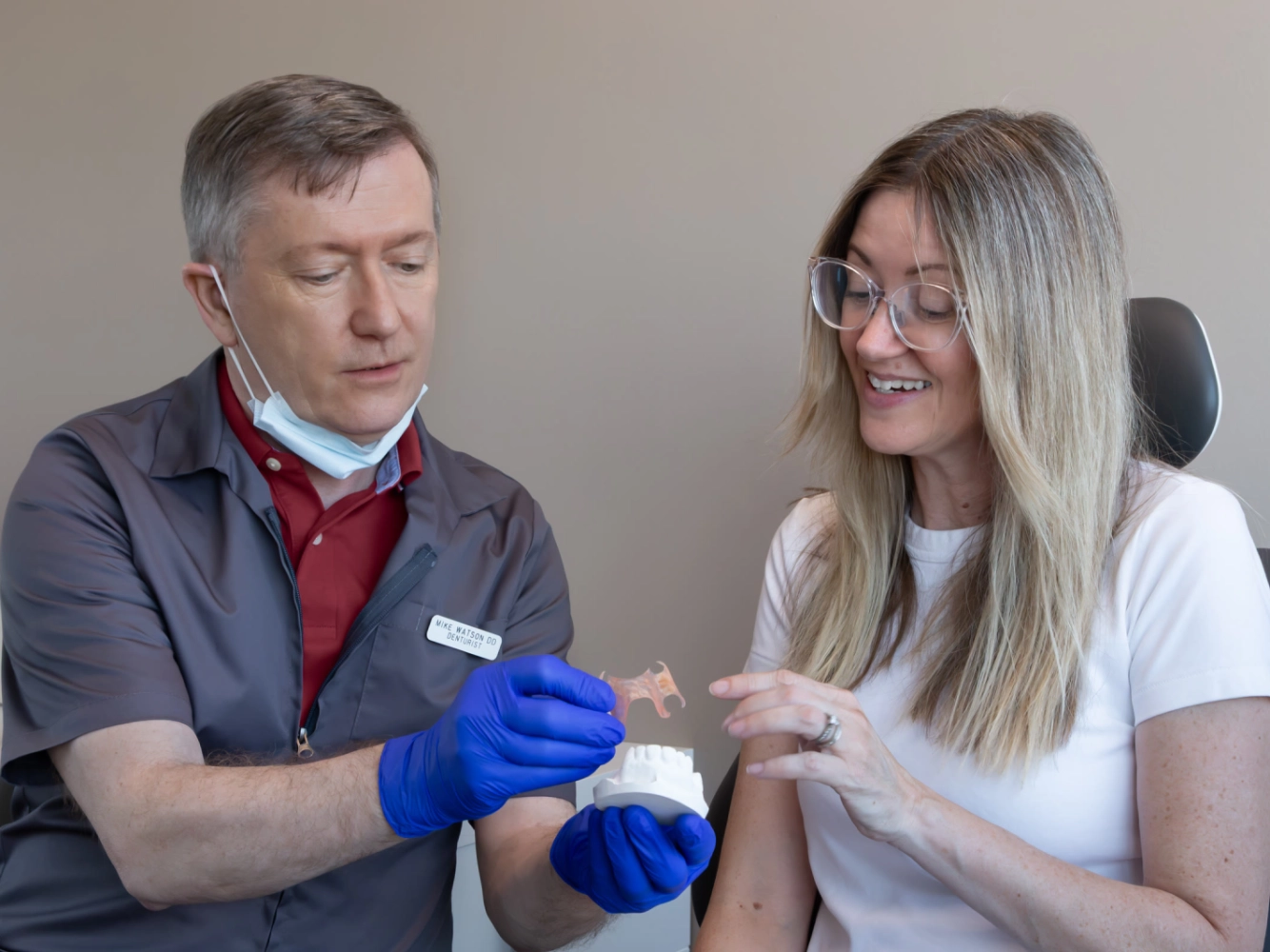
A Smile That Looks Like You
Dentures do not have to look artificial. Careful consideration of tooth arrangement, shade, size and shape can help a complete denture blend naturally with your facial features. Dentures can also provide support for the lips and cheeks that may have changed following tooth loss.
Michael's previous professional experience as an award-winning artist and photographer complements his clinical expertise, bringing an additional creative perspective to the aesthetic details involved in designing each smile.
Adjusting to Your New Complete Dentures
New dentures require an adjustment period. It is common to experience initial tenderness or sore spots, changes in speech, increased saliva, a feeling of fullness and some difficulty eating as your mouth and facial muscles adapt. Denture movement can also occur because complete dentures rest on the gums rather than being anchored like natural teeth.
Adapting to new dentures commonly takes approximately six to eight weeks, although every patient is different. Adjustments can be made when necessary to address persistent areas of discomfort and help you adapt to your new dentures.
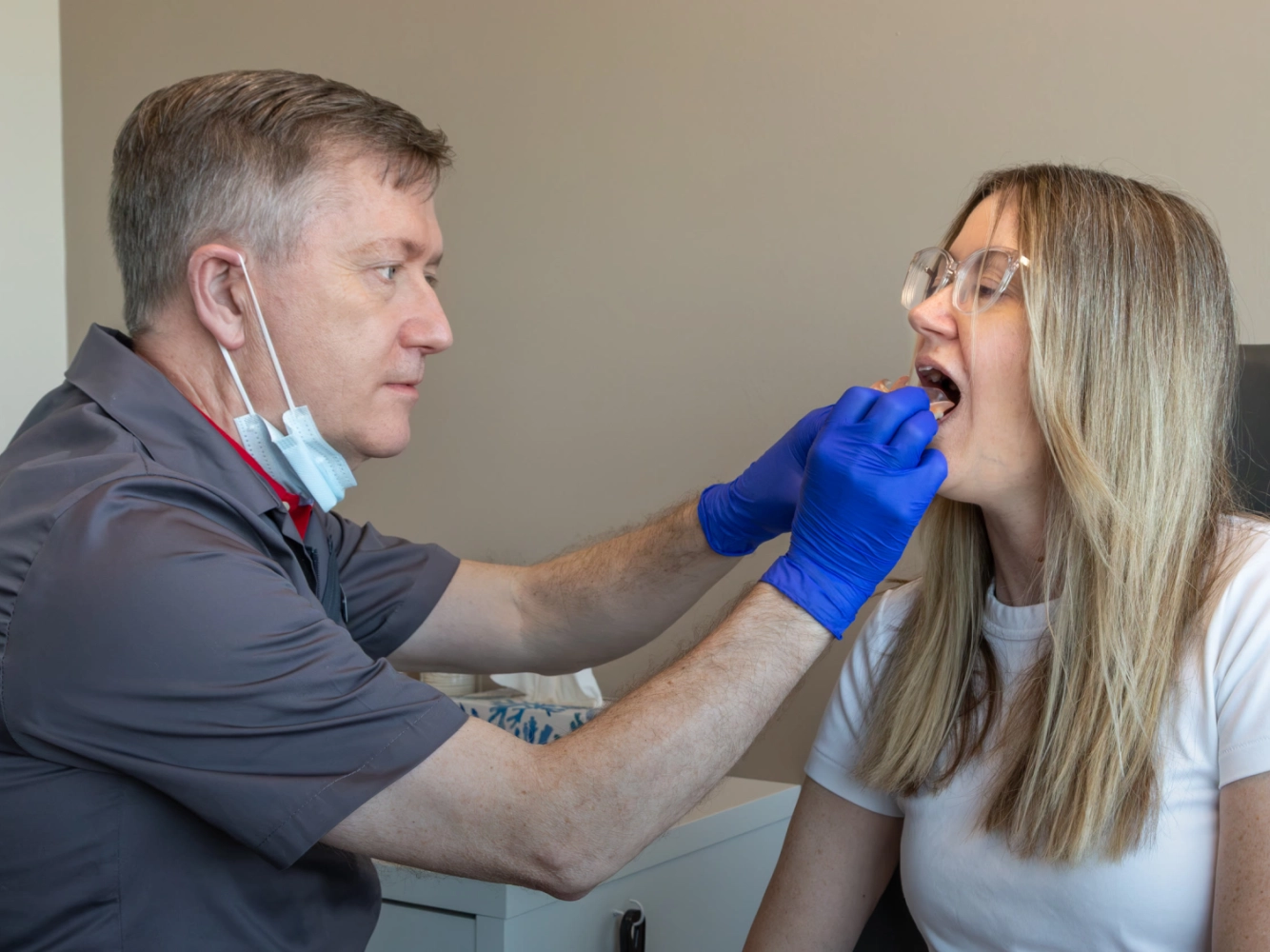
Your Mouth Changes Over Time
Your dentures maintain their shape, but the bone and gums supporting them naturally change throughout your lifetime. As these changes occur, spaces can develop beneath the denture, affecting its fit, stability and retention.
Regular denture examinations help identify these changes before they become larger problems. Atrium's patient information indicates that relines are commonly required approximately every two to five years, while denture replacement is generally recommended within five to seven years depending on changes in the mouth and overall denture wear.
Protecting Your Dentures & Oral Health
Good daily care can help maintain your dentures and the tissues supporting them. Clean your dentures regularly, keep them moist when they are out of your mouth and handle them carefully to prevent accidental damage.
Dentures should also be removed for at least six hours within a 24-hour period to give the supporting gums and bone an opportunity to rest. Regular denturist examinations remain important even when you no longer have natural teeth.
How long does it take to get used to complete dentures?
Will my dentures look natural?
Will complete dentures function like natural teeth?
Why have my existing dentures become loose?
What if I want my complete dentures to feel more secure?
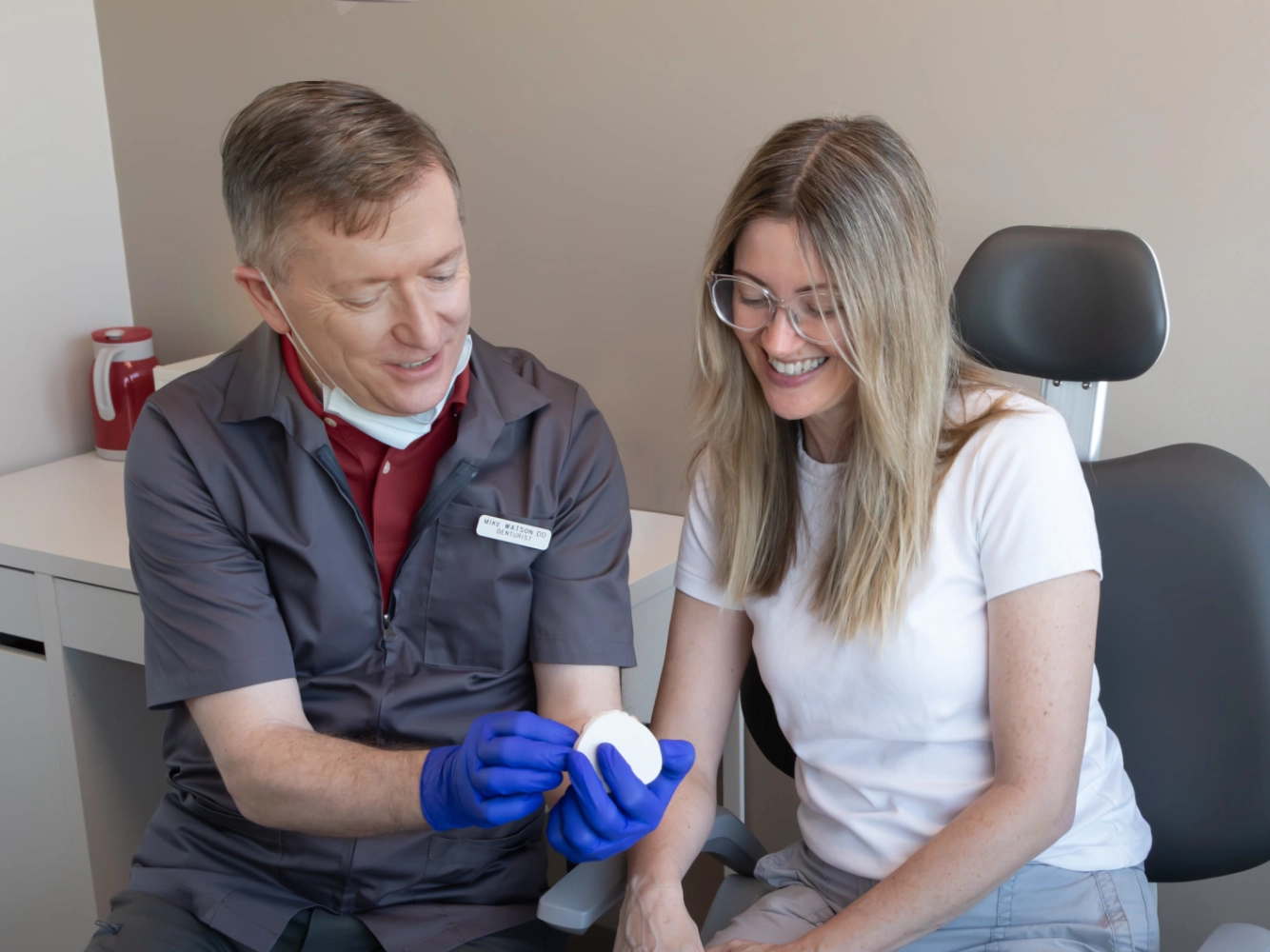
Let's Talk About Your New Smile
Choosing complete dentures is a highly individual process. Your complimentary consultation gives you an opportunity to discuss your concerns, expectations and treatment options with an experienced denturist before deciding how you would like to proceed.
Other Denture Services
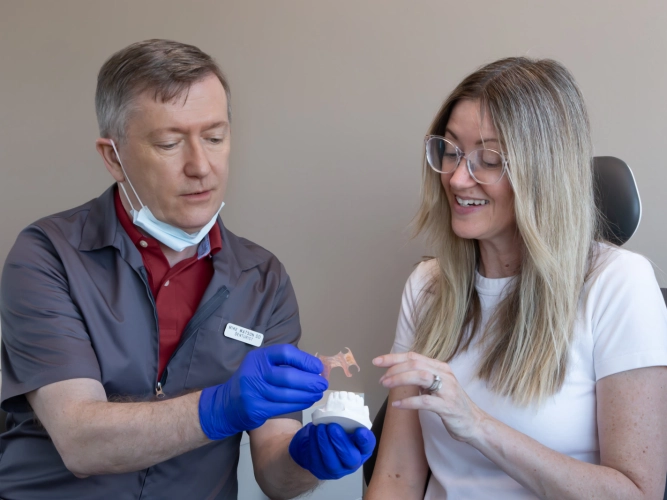
Partial Dentures
Carefully designed partial dentures that replace missing teeth while working with your remaining natural teeth.
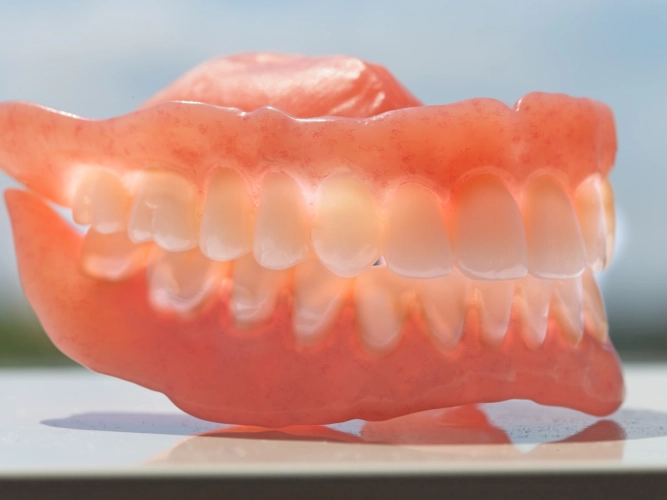
Implant-Supported Dentures
A more secure denture solution that connects to dental implants for improved retention, stability and confidence.
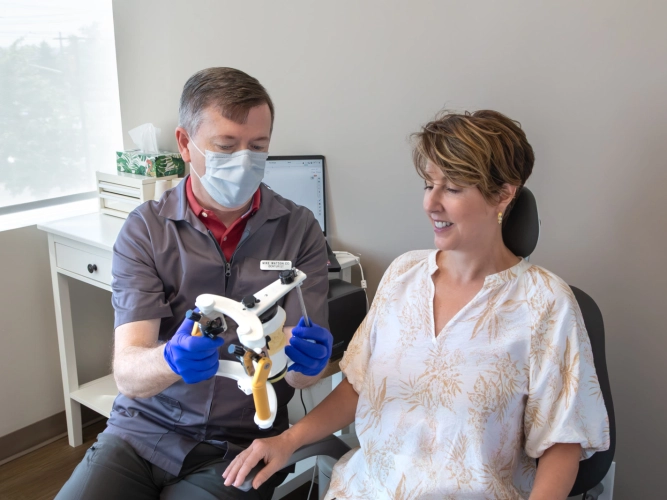
Immediate Dentures
Dentures prepared before tooth extraction and typically placed on the day your teeth are removed, helping you transition into your new smile without going without teeth.