
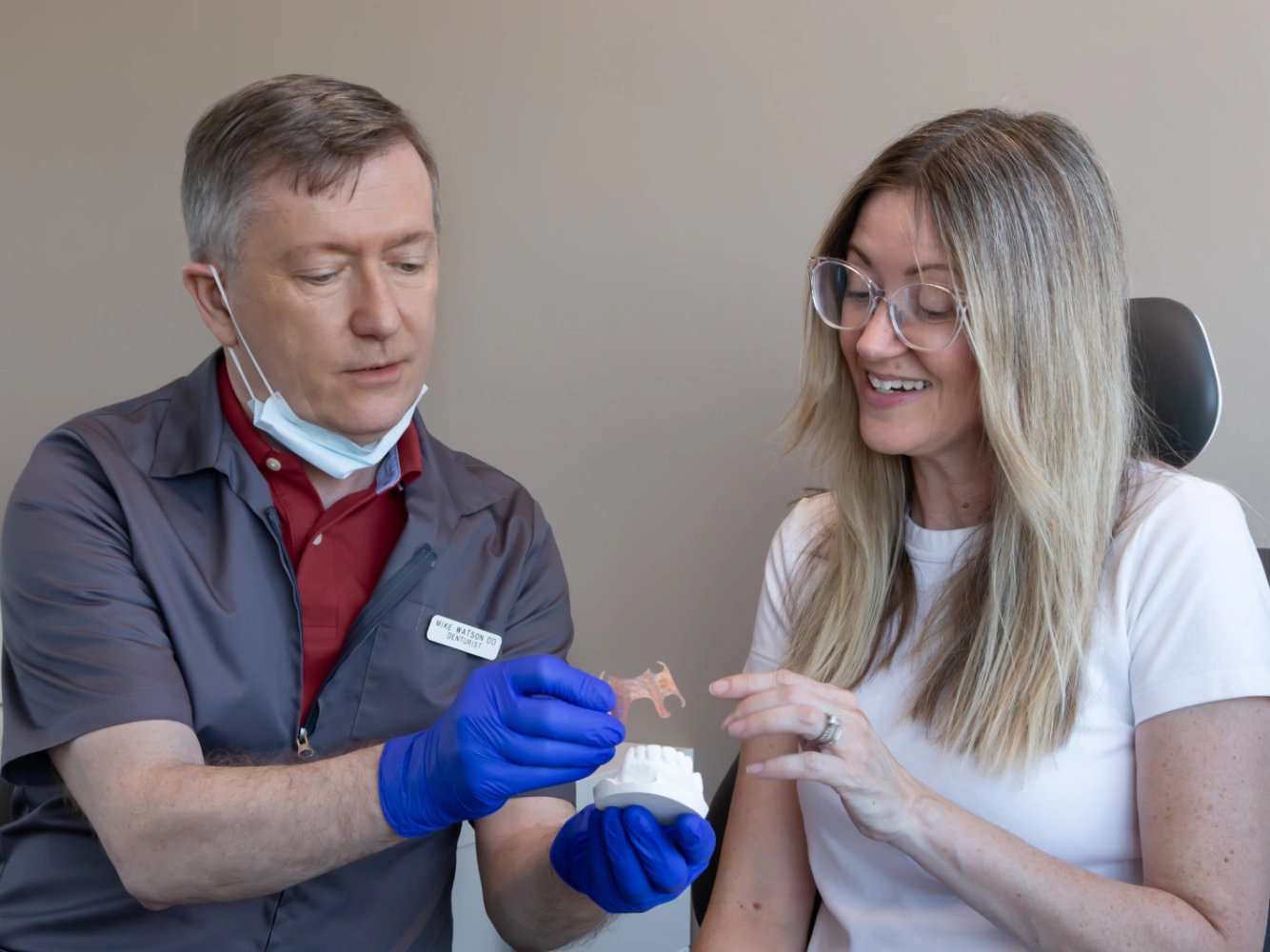
Replace Missing Teeth With a Solution Designed for You
Partial dentures are designed for people who still have some of their natural teeth but need to replace one or more missing teeth. A properly designed partial denture works alongside your remaining teeth to restore your smile and help improve everyday function.
At Atrium Denture Clinic, Michael Watson DD takes a personalized approach to partial denture treatment, considering your remaining natural teeth, gums, supporting bone, appearance and individual expectations. With 26 years of experience, Michael combines proven denture techniques with modern technology where appropriate to create a treatment plan suited to your needs.
Designed to Work With Your Natural Teeth
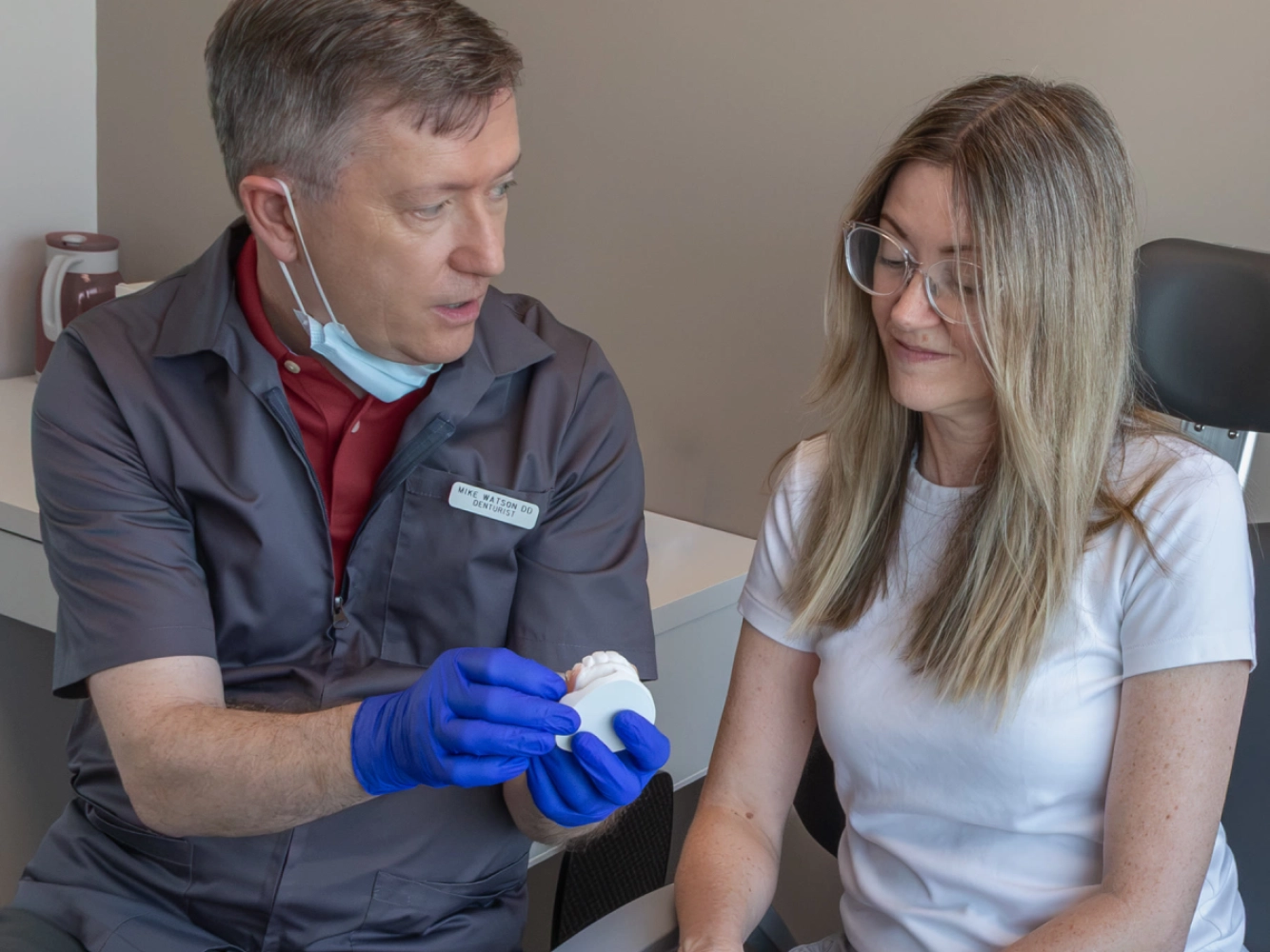
Unlike complete dentures, partial dentures must work in harmony with the natural teeth that remain. They are designed to sit passively around these teeth while replacing the spaces created by those that are missing.
Because every mouth is different, the type and design of a partial denture can vary. Factors such as the number and location of missing teeth, the condition of your remaining teeth and gums, your oral health and the materials used can all influence treatment.
Getting Comfortable With Your New Partial Denture
A new partial denture may initially feel snug or unfamiliar. Your mouth needs time to adjust to the new shape and components, and changes in speech, eating and general awareness of the denture can occur during the adjustment period.
Atrium recommends practising insertion and removal using gentle finger pressure rather than biting the partial into position. Biting it into place can scrape natural teeth or potentially bend components.
Adapting to new dentures typically takes approximately six to eight weeks, although every patient and treatment is different. If discomfort or other concerns persist, adjustments can be made to help improve your experience.
Good Oral Hygiene Is Especially Important
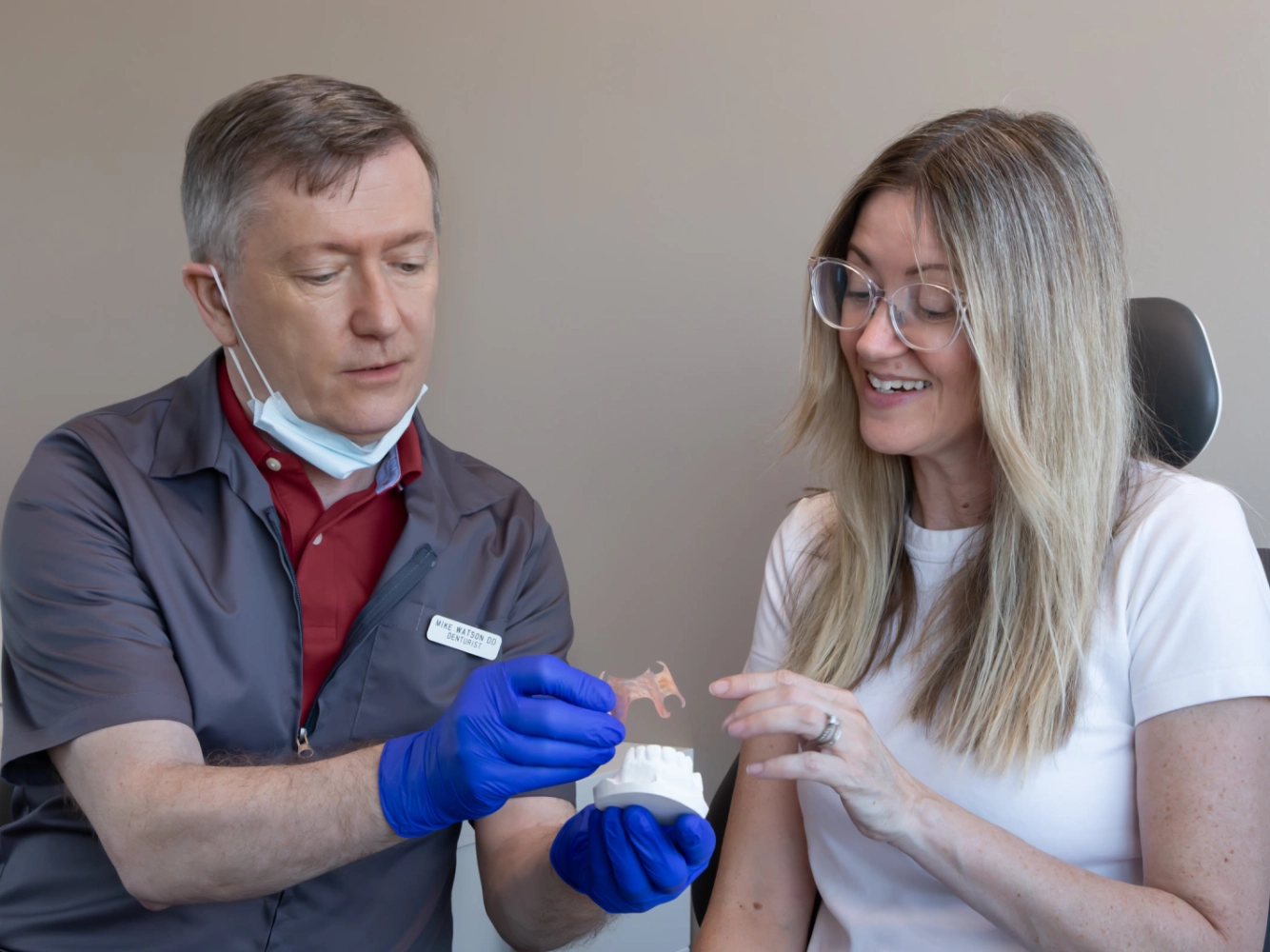
Your remaining natural teeth continue to require regular care when you wear a partial denture. Food and plaque can collect around denture components, making brushing, flossing and regular dental and denturist examinations particularly important.
Natural teeth can also shift over time, while the gums and supporting bone continue to change. These changes can cause a partial denture to rock, rotate, wedge or place unwanted pressure on your remaining teeth. If you notice excessive movement or aching around a natural tooth, contact Atrium so the fit can be assessed.
Your Partial Denture Needs to Change With You
Partial dentures require ongoing monitoring because both your natural teeth and the tissues supporting your denture can change. Atrium recommends denturist and dentist checkups, with denture visits every six to twelve months so components can be assessed and the denture base adjusted or relined when required.
Consistent wear is also important. Natural teeth can shift, and leaving a partial denture out for an extended period may affect how well it fits when you begin wearing it again.
How much does a partial denture cost?
Will a partial denture look natural?
Why has my partial denture started to move?
Can I stop wearing my partial denture for a while?
How should I clean my partial denture?
Explore Your Partial Denture Options
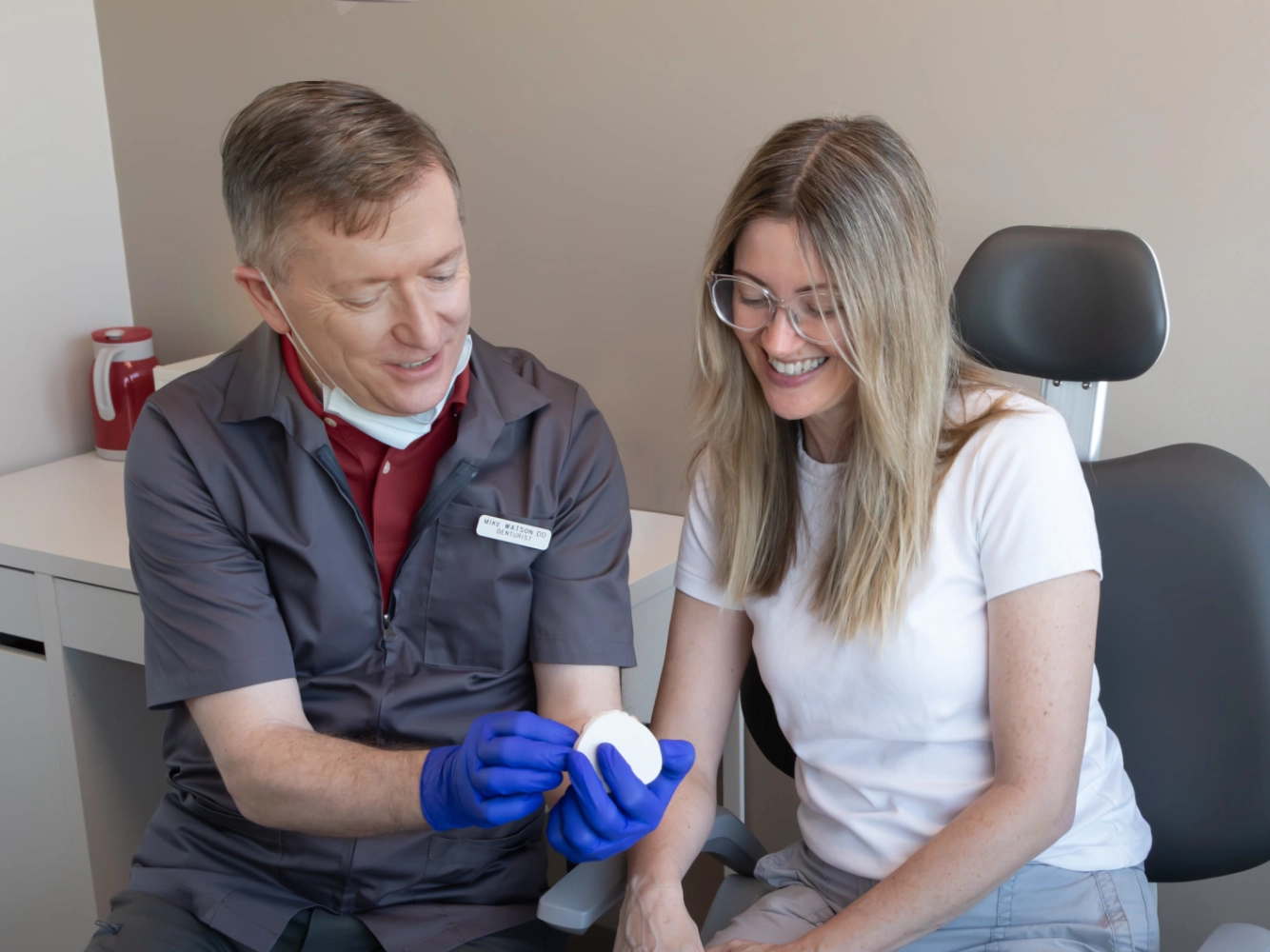
If you are missing one or more teeth, a complimentary consultation is an opportunity to discuss your concerns, have your individual needs assessed and learn about the partial denture options that may be appropriate for you.
Other Denture Services
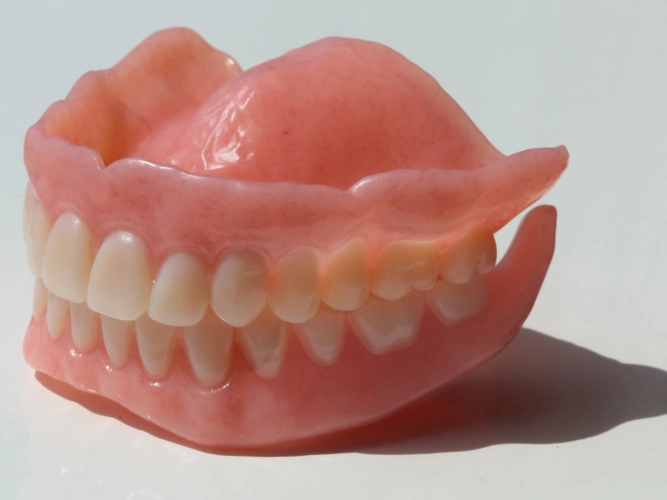
Complete Dentures
Custom full dentures designed to restore your smile, facial support and everyday function when natural teeth are no longer present.
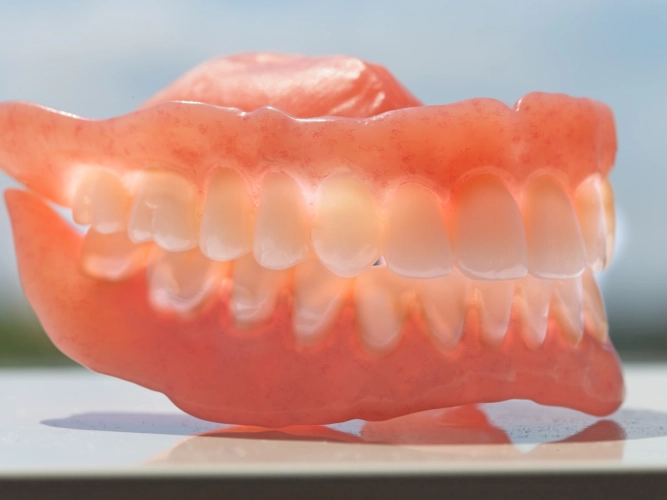
Implant-Supported Dentures
A more secure denture solution that connects to dental implants for improved retention, stability and confidence.
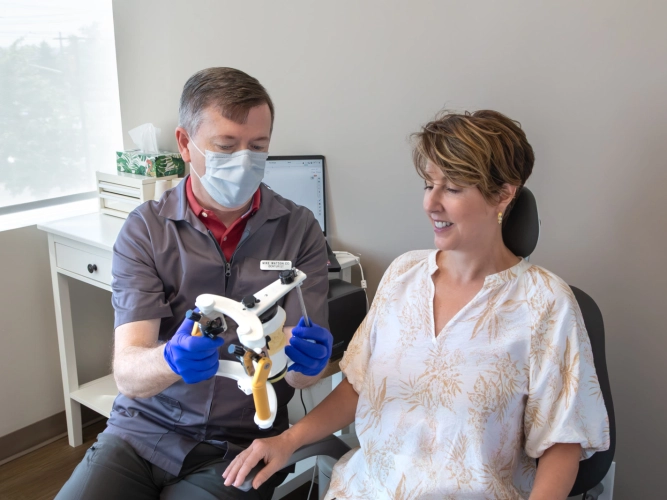
Immediate Dentures
Dentures prepared before tooth extraction and typically placed on the day your teeth are removed, helping you transition into your new smile without going without teeth.