
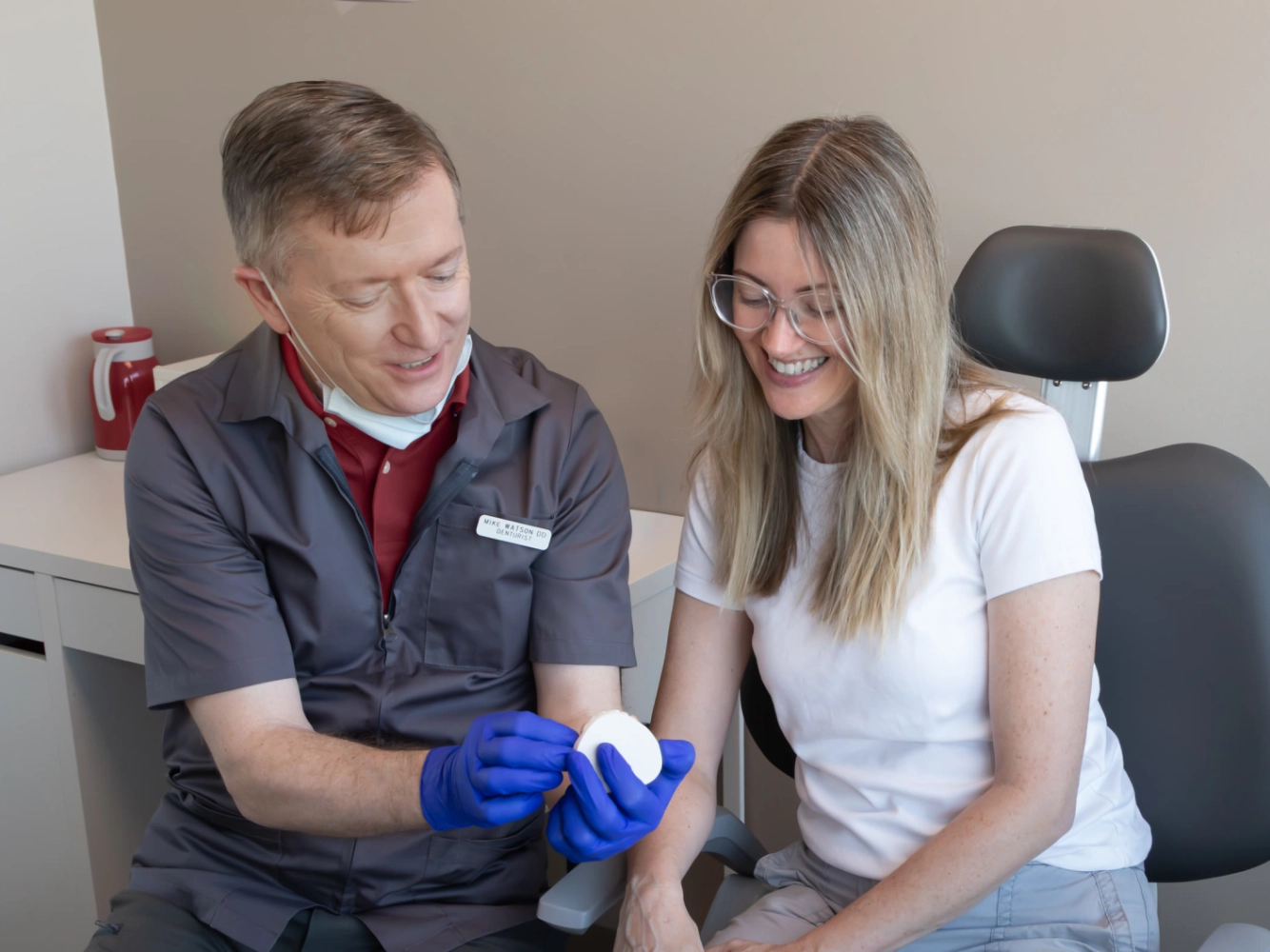
Adjusting to Your New Dentures
Receiving new dentures is the beginning of an adjustment period. Even when your dentures fit properly, your mouth, tongue and facial muscles need time to become accustomed to their shape and function.
During the first several weeks, it is normal to notice changes in eating, speaking, saliva production and how the dentures feel in your mouth. Some tenderness or sore spots may also develop as your tissues adapt.
Every patient adjusts differently, but Atrium's patient information indicates that becoming accustomed to new dentures commonly takes approximately six to eight weeks. Patience, practice and appropriate follow-up care are important during this period.
On this page
Your Dentures Will Feel Different
New dentures often feel larger or fuller than expected when they are first inserted. Your tongue and cheeks are suddenly working around a new shape, and your facial muscles are learning how to help stabilize the dentures.
You may initially experience:
- Tenderness or sore spots
- A feeling of fullness in your mouth
- Increased saliva
- Changes in speech
- Difficulty chewing certain foods
- Changes in taste or temperature perception
- Occasional cheek or tongue biting
- Some denture movement as your muscles adapt
These experiences generally improve as you become more accustomed to wearing and using your new dentures.
Start Slowly & Give Yourself Time
Eating with new dentures requires practice. Begin with softer foods that are easier to manage and cut food into smaller pieces rather than trying to bite or chew larger portions.
Chew slowly and try to distribute food evenly between both sides of your mouth. This can help stabilize the dentures while you develop greater control and confidence.
Gradually introduce firmer foods as you become more comfortable. Remember that dentures are artificial replacements for natural teeth and will not reproduce the same chewing ability or sensation as healthy natural teeth.
Practice Helps Your Speech Adapt
Your speech may sound different when you first begin wearing new dentures. Your tongue needs time to learn how to form familiar sounds around the new position and shape of the denture teeth.
Speaking aloud, reading aloud and repeating words that initially feel difficult can help your tongue and facial muscles adapt. Speech generally becomes more natural as you gain experience with your new dentures.
Some Tenderness Is Normal
New dentures place pressure on areas of your gums that may not previously have experienced it. Minor tenderness or sore spots can therefore occur during the adjustment period.
If soreness persists or becomes significant, contact Atrium Denture Clinic. Michael Watson DD can identify pressure areas and make appropriate adjustments to the denture.
Do not attempt to adjust, file or reshape the denture yourself. Even a small at-home modification can affect its fit and bite.
Establish Good Habits From the Beginning
Clean your dentures after meals and before bed using a denture brush or toothbrush and an appropriate denture-cleaning product. Avoid regular toothpaste, which can be abrasive and scratch denture surfaces.
Handle your dentures carefully while cleaning them. Cleaning over a sink partially filled with water or a folded towel can help protect them if accidentally dropped.
Your gums and any remaining natural teeth also require regular cleaning to maintain good oral health.
Give Your Oral Tissues Time to Rest
Once you are beyond any specific initial wearing instructions provided for your treatment, dentures should generally be removed for at least six hours during each 24-hour period. This allows the gums and supporting tissues time to rest.
Overnight is often the most convenient time to leave dentures out. When they are not being worn, keep them moist unless Michael has provided different instructions for your particular denture.
Your Mouth Continues to Change
Your gums and supporting bone naturally change over time, while your dentures retain their original shape. This is particularly noticeable following tooth loss, when changes can occur more rapidly.
If dentures that initially fit well become loose, unstable or increasingly uncomfortable, have them assessed rather than trying to compensate for the changing fit yourself.
Depending on the circumstances, an adjustment, reline or other treatment may be recommended.
Don't Ignore Persistent Problems
Contact Atrium Denture Clinic if you experience persistent soreness, significant discomfort, increasing denture movement, difficulty eating or speaking that is not improving, changes in your bite, or cracks or other damage to your dentures.
Follow-up care is an important part of adjusting to new dentures. Michael can assess what you are experiencing and determine whether an adjustment or other treatment is appropriate.
Be Patient With the Adjustment Process
Learning to wear new dentures takes time. Eating, speaking and controlling your dentures become easier as your mouth and facial muscles adapt and you gain experience using them.
Give yourself time, follow your denture care instructions and contact Atrium if something does not feel right. We are here to support you throughout the adjustment process.
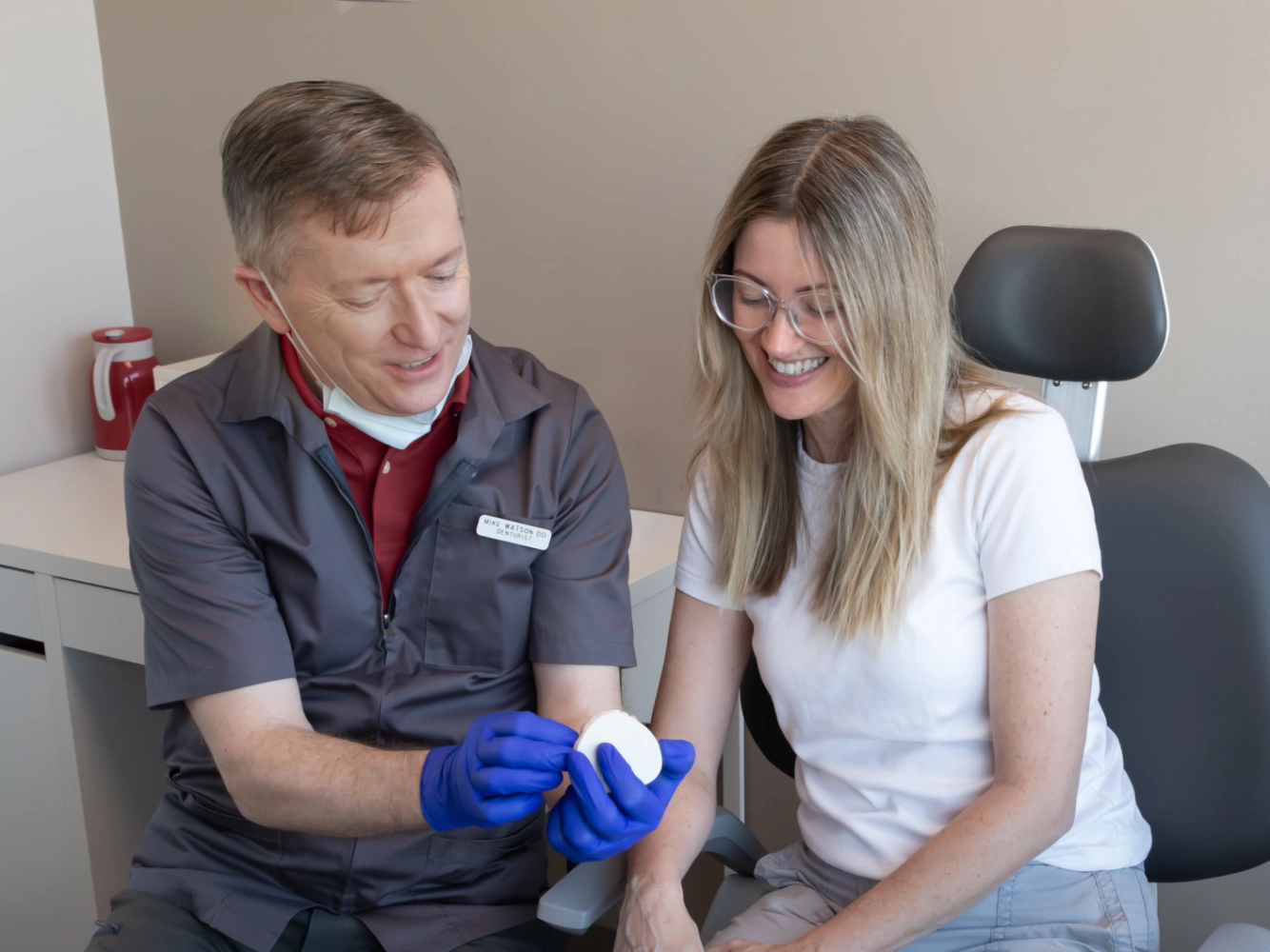
We Are Here Through Every Adjustment
If something does not feel right with your new dentures, reach out. Michael can identify pressure areas and make adjustments to help you settle in comfortably.
Keep Reading
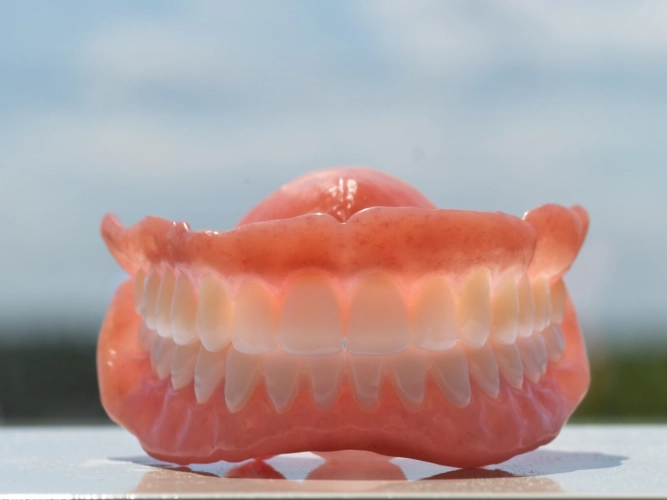
General Denture Care
Learn how to clean, handle and care for your dentures, protect your oral tissues and recognize when your dentures should be professionally assessed.
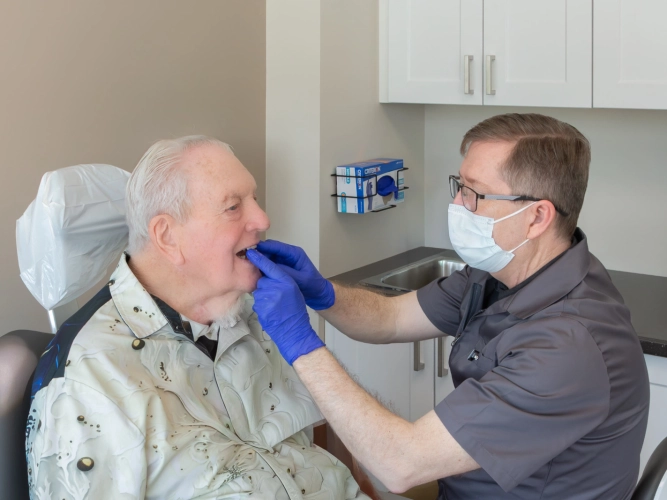
Immediate Denture & Post-Surgical Care
Preparing to have teeth extracted? Learn what to expect during immediate denture treatment, including the first 24 to 48 hours, eating during recovery, swelling, adjustments and changes in denture fit as your mouth heals.
Implant-Supported Denture Care
Learn how to clean and maintain your implant-supported denture, attachment components and the areas surrounding your dental implants, along with signs that professional attention may be required.